In today’s digital landscape, a well-designed and user-friendly website is crucial for businesses to succeed online. Redesigning a website can breathe new life into your online presence, enhance user experience, and drive better results. If you’re considering a website redesign for your business in Vietnam, this article is for you. We will explore valuable tips and best practices to ensure a successful website redesign that aligns with your business goals and resonates with your target audience. From planning and strategy to design and implementation, we’ll guide you through the essential steps to create a stunning and effective website that elevates your online presence in Vietnam.
I. Set Clear Goals and Objectives
- Define Your Purpose: Determine the primary purpose of your website redesign. Is it to improve user experience, increase conversions, enhance brand positioning, or all of the above? Setting a clear purpose will guide your decision-making throughout the redesign process.
- Identify Key Performance Indicators (KPIs): Establish measurable KPIs to track the success of your website redesign. Examples include increased website traffic, longer time spent on site, higher conversion rates, and improved search engine rankings.
II. Conduct Comprehensive Website Audit
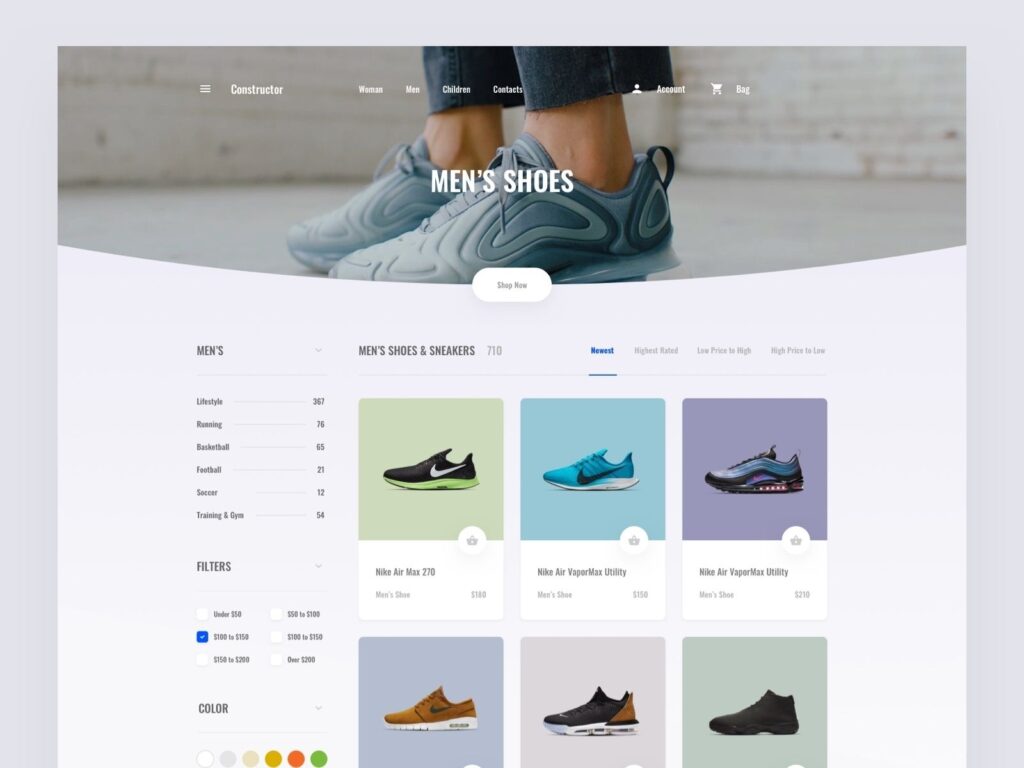
- Content Analysis: Evaluate the quality, relevance, and effectiveness of your existing content. Identify outdated or redundant content that needs to be updated or removed.
- User Experience (UX) Evaluation: Assess the ease of navigation, clarity of information, and overall user experience on your current website. Identify pain points and areas where UX improvements can be made.
- Technical Assessment: Check for any technical issues that may be affecting your website’s performance, such as slow page load times, broken links, or compatibility issues across different devices and browsers.
III. Define Your Target Audience
- User Personas: Develop user personas based on your target audience’s demographics, interests, goals, and pain points. This will help you tailor your website design, content, and messaging to resonate with your ideal customers.
- User Journey Mapping: Map out the typical user journey on your website, from the initial landing page to conversion. Identify touchpoints where you can enhance the user experience and drive desired actions.
IV. Plan Your Information Architecture and Navigation

- Content Hierarchy: Structure your content in a logical and organized manner, with clear hierarchies and categories. Use headings, subheadings, and visual cues to guide users and make information easy to find.
- Intuitive Navigation: Design a navigation menu that is easy to understand and navigate. Consider user expectations and common browsing patterns to create a seamless user experience.
V. Focus on Responsive Design and Mobile Optimization
- Responsive Design: Create a responsive website that adapts seamlessly to different screen sizes and resolutions. This will provide a consistent and user-friendly experience across devices.
- Mobile Optimization: Optimize your website for mobile performance by optimizing page load times, simplifying forms and inputs, and prioritizing key information for smaller screens.
VI. Implement Visual and Branding Elements

- Visual Design: Create a visually appealing website design that aligns with your brand identity and target audience. Use colors, fonts, and imagery that reflect your brand’s personality and evoke the desired emotions.
- Consistent Branding: Ensure brand consistency throughout your website by using your logo, brand colors, and brand voice consistently. This will reinforce your brand identity and build trust with your audience.
VII. Test and Optimize
- User Testing: Conduct user testing to gather feedback on the usability and effectiveness of your redesigned website. This will help identify any areas for improvement and ensure a seamless user experience.
- Performance Monitoring: Use analytics tools to monitor website performance, track key metrics, and identify areas for optimization. Regularly review and refine your website based on data-driven insights.
In conclusion, a successful website redesign in Vietnam requires careful planning, strategic thinking, and a deep understanding of your target audience. By setting clear goals, conducting a comprehensive website audit, defining your target audience, planning your information architecture, focusing on responsive design and mobile optimization, implementing visual and branding elements, and continuously testing and optimizing, you can create a website that engages users, drives conversions, and strengthens your online presence.
Key Takeaway Points:
- Define clear goals and objectives for your website redesign.
- Conduct a comprehensive website audit to identify areas for improvement.
- Understand your target audience and tailor your website to their needs.
- Plan an intuitive information architecture and navigation structure.
- Prioritize responsive design and mobile optimization.
- Implement visually appealing design elements and maintain consistent branding.
- Continuously test, monitor, and optimize your redesigned website for better performance.
Contact our Vietnam team today for expert guidance and support in your website redesign journey.