With the rapid growth of smartphone usage in Vietnam, it has become increasingly crucial for businesses to adopt a mobile-first approach to website design. Mobile devices have become the primary means of accessing the internet for a significant portion of the Vietnamese population. In this article, we will explore the importance of mobile-first design, discuss key considerations for designing mobile-friendly websites in Vietnam, and provide actionable tips to optimize user experience in this mobile-centric landscape.
I. The Rise of Mobile Internet Usage in Vietnam
In Vietnam, the adoption of smartphones and the subsequent rise in mobile internet usage has reshaped consumer behavior and expectations. According to recent statistics, a significant percentage of the Vietnamese population relies on smartphones to access the internet. This trend has transformed the way people search for information, engage with brands, and make purchasing decisions. As a result, businesses must prioritize mobile-friendly experiences to meet the needs of their target audience.
II. Understanding the Mobile-First Approach
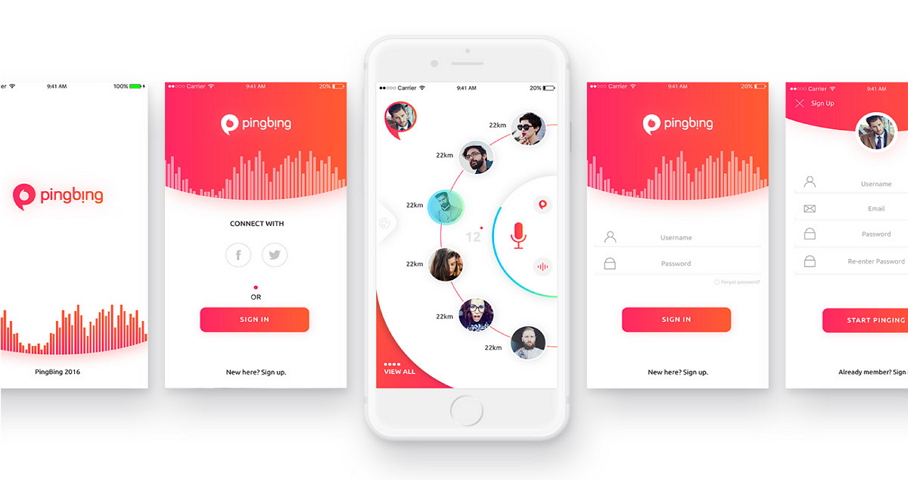
The mobile-first approach to website design involves prioritizing the mobile experience over the desktop experience. It means designing and optimizing websites for smaller screens, touch interaction, and slower internet connections. By shifting the focus from desktop to mobile in the design process, businesses can ensure their websites deliver a seamless and user-friendly experience to the growing number of mobile users in Vietnam.
A mobile-first design approach offers several benefits, including improved user experience, increased engagement, and better search engine optimization (SEO). Mobile users expect fast-loading pages, easy navigation, and content that is easily readable on small screens. By starting with a mobile-first mindset, businesses can address these expectations and provide a positive user experience across all devices.
III. Key Considerations for Mobile-First Design in Vietnam
a. User Interface and Navigation
When designing for mobile devices in Vietnam, it is crucial to simplify the user interface and navigation. Mobile screens have limited space, so it’s essential to prioritize the most important content and streamline the user journey. Implement intuitive touch gestures and controls, such as swipe, pinch-to-zoom, and tap, to enhance usability. Avoid clutter and focus on clear and concise design elements that facilitate easy navigation.

b. Responsive Design and Device Compatibility
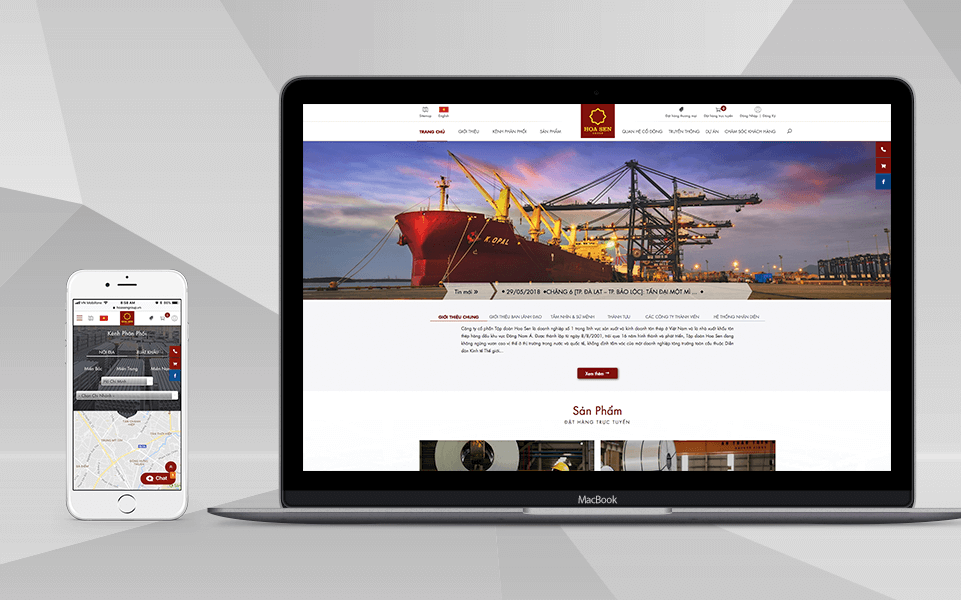
In Vietnam, where various smartphones and tablets are prevalent, it is crucial to test website compatibility on popular devices. Utilize media queries to optimize the layout, typography, and overall design for different screen resolutions. This approach allows businesses to provide a consistent and user-friendly experience regardless of the device being used.
c. Page Load Speed and Performance
In Vietnam, where internet speeds can vary, optimizing website speed is paramount. Compress images to reduce file sizes without compromising visual quality. Utilize modern image formats like WebP, which offers superior compression capabilities. Minify CSS, JavaScript, and HTML to reduce file sizes and improve loading times. By prioritizing fast-loading pages, businesses can minimize bounce rates and keep users engaged.
d. Content Formatting and Readability
Use legible fonts and appropriate font sizes to ensure readability on smaller screens. Implement proper line spacing and ample white space to enhance readability and reduce visual clutter. Break up content into digestible chunks with clear headings and subheadings. Utilize bullet points and lists to make information scannable and easily consumable on mobile devices.
IV. User Testing and Feedback
Test websites on various mobile devices, simulating real-world usage scenarios in Vietnam. Collect feedback from users to understand pain points, areas for improvement, and opportunities to enhance the mobile user experience. Incorporate user insights into the design process to iteratively refine the website and optimize for mobile users.
V. Mobile SEO Considerations
In addition to providing a great user experience, mobile-friendly websites are also crucial for search engine optimization (SEO). Search engines prioritize mobile-friendly websites in their rankings, considering factors such as mobile responsiveness, page load speed, and mobile-optimized meta tags. By optimizing websites for mobile SEO, businesses can improve their visibility in search engine results and attract more organic traffic from mobile users.
In conclusion, designing websites with a mobile-first approach is imperative for businesses aiming to capture and retain the attention of their target audience in Vietnam’s mobile-centric landscape. As the smartphone market continues to grow in Vietnam, adopting a mobile-first mindset is not only a strategic choice but a necessity for sustained success.

Key Takeaways:
- Mobile internet usage is on the rise in Vietnam, and businesses must prioritize mobile-first design.
- Simplify the user interface and navigation for mobile users in Vietnam.
- Utilize responsive design and ensure compatibility across various devices and screen sizes.
- Optimize page load speed and performance for varying internet connections.
- Format content for readability and utilize mobile-friendly forms and inputs.
- Conduct user testing and gather feedback to refine the mobile user experience.
- Consider mobile SEO factors to improve search engine rankings and visibility.
Contact our Vietnam team today for expert guidance and support in implementing a mobile-first design for your website.