
In the visually-driven world of web design, optimizing images is crucial for creating a seamless and engaging user experience. In Vietnam, where internet usage and online activities are on the rise, it becomes even more important to ensure that your website loads quickly and efficiently. In this article, we will explore the best practices for optimizing images for web design in Vietnam. From image formats and compression techniques to responsive design considerations, we will provide you with actionable tips to enhance your website’s performance and user satisfaction.
I. Understanding the Importance of Image Optimization for Web Design
Image optimization is a critical aspect of web design that involves reducing the file size of images without compromising their visual quality. By implementing effective image optimization techniques, you can significantly improve website load times, reduce bandwidth consumption, and enhance the overall user experience.
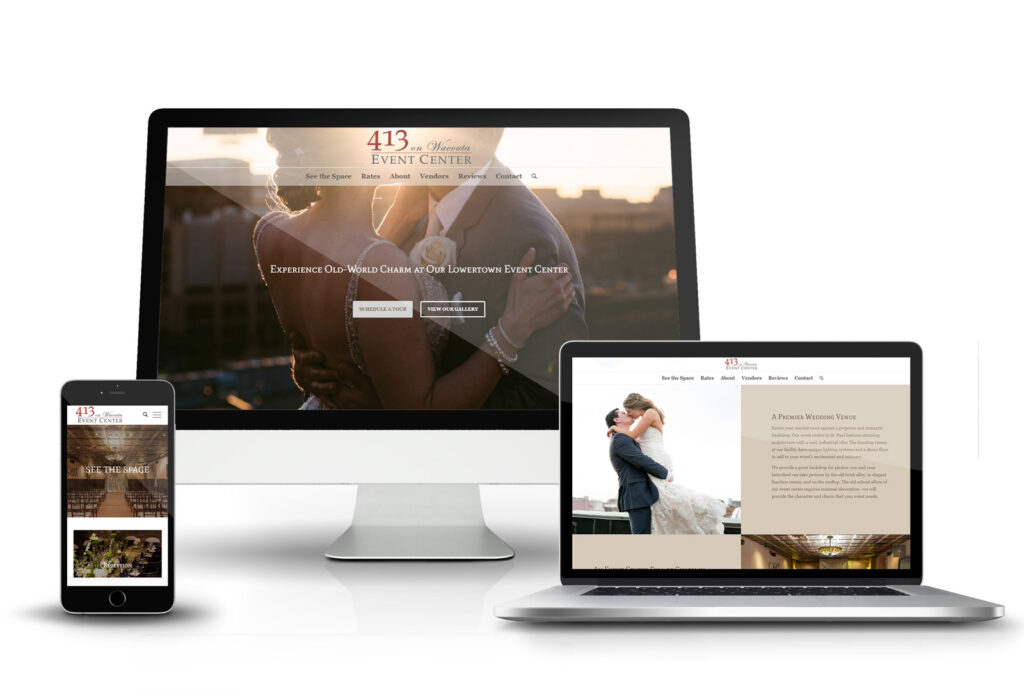
II. Selecting the Appropriate Image Format for Optimization
- JPEG: JPEG is a widely used format suitable for images with complex color patterns, such as photographs. It offers a good balance between file size and image quality.
- PNG: PNG is ideal for images with transparency or simple graphics. It preserves image quality but may result in larger file sizes compared to JPEG.
- GIF: GIF is well-suited for simple animations or images with limited colors. However, it is not recommended for photographs or high-resolution images due to its limited color palette.
III. Efficient Image Compression Techniques for the Web

- Resize Images: Adjust the dimensions of images to match the requirements of your website design. Avoid using large images and instead rely on CSS or HTML to resize them.
- Image Compression Tools: Take advantage of image compression tools such as Adobe Photoshop, Squoosh, or online image compressors to reduce file sizes while maintaining image quality.
- Lossy vs. Lossless Compression: Consider using lossy compression for photographs to achieve significant file size reduction, while reserving lossless compression for images with limited colors or transparency to preserve quality.
IV. Implementing Responsive Image Design for Optimal Performance

- Responsive Design: Implement responsive design techniques to ensure that images adapt to different screen sizes and devices, providing an optimal viewing experience for users.
- Serve Different Image Sizes: Deliver optimized images based on the user’s device and viewport. Utilize attributes like srcset and sizes in HTML to serve appropriate image resolutions for improved performance.
- Lazy Loading: Employ lazy loading techniques to load images as users scroll down the page, reducing initial load times and improving website performance.
V. Enhancing Accessibility and SEO with Alt Text and Image Metadata

- Alt Text: Include descriptive alt text for images to provide context and improve accessibility for users with visual impairments. Use relevant keywords while keeping the alt text concise and descriptive.
- Image Metadata: Optimize image metadata such as file names and image descriptions to enhance search engine optimization (SEO) and improve the discoverability of your images by search engines and users.
In conclusion, optimizing images for web design in Vietnam is crucial for delivering a seamless and engaging user experience. By choosing the right image format, compressing images effectively, implementing responsive design, and optimizing alt text and image metadata, you can significantly enhance your website’s performance, load times, and overall user satisfaction. Remember, image optimization is an ongoing process, and regularly monitoring and updating your images will help you maintain an optimized website.
Key Points:
- Choose the appropriate image format for your content, such as JPEG for complex images and PNG for transparency or simple graphics.
- Compress images using resizing, image compression tools, and the right compression techniques.
- Implement responsive design to ensure images adapt to different devices and screen sizes.
- Optimize alt text and image metadata for accessibility and SEO purposes.
- Regularly monitor and update your images to maintain optimal performance.
For expert guidance and support in optimizing images for web design, contact our dedicated Vietnam team today. We understand the unique requirements of the Vietnamese market and can help you optimize your website’s visuals for improved user experience and performance.