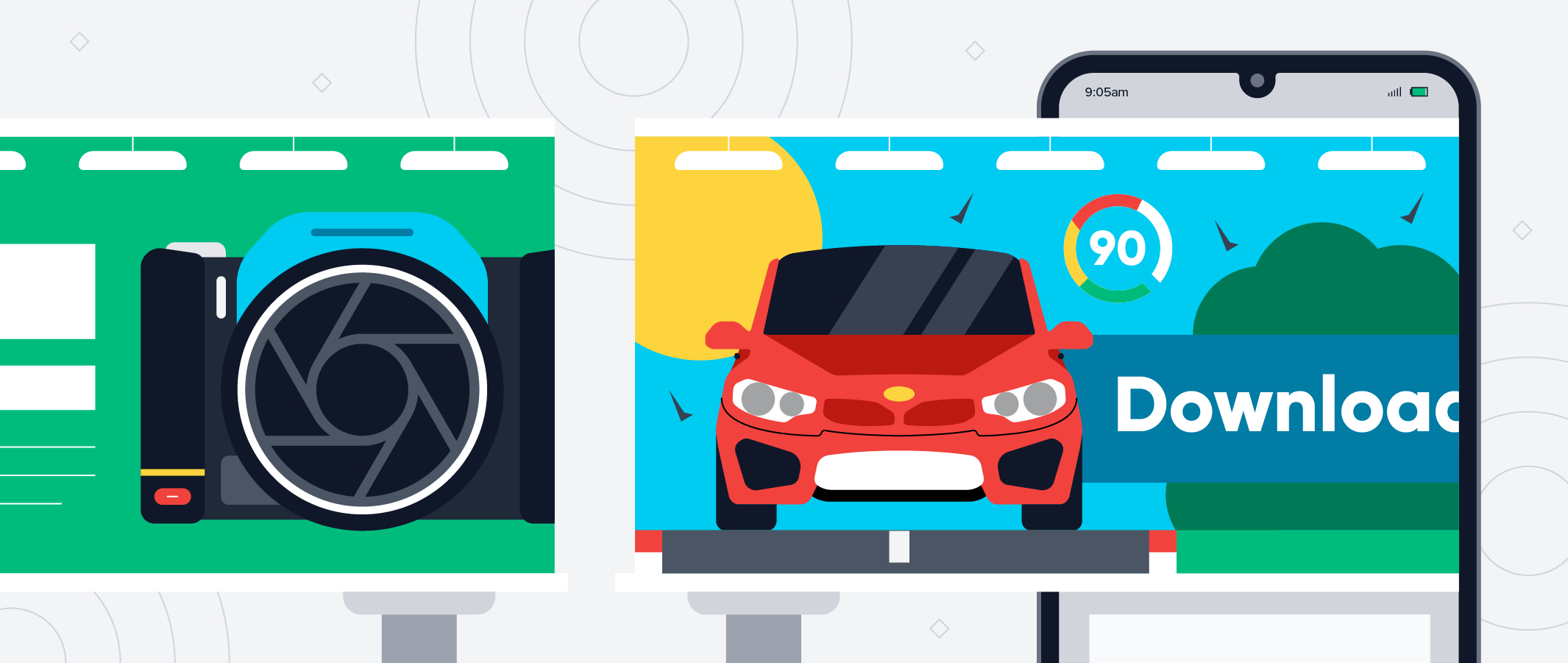
In today’s digital landscape, mobile devices have become an integral part of our lives. With the majority of online activities being conducted on mobile devices, businesses in Vietnam need to prioritize mobile-first design to ensure a seamless user experience and maximize the effectiveness of their multi-channel ad campaigns. This article explores the importance of mobile-first design in the context of multi-channel ad campaigns and provides insights into best practices for implementing mobile-first strategies in Vietnam.
I. Understanding Mobile-First Design
Mobile-first design is an approach that prioritizes the design and development of a website or application specifically for mobile devices, with the adaptation for larger screens coming later. This approach is crucial for the success of multi-channel ad campaigns due to the following reasons:
- Mobile Device Dominance: Mobile devices, such as smartphones and tablets, have surpassed desktops in terms of internet usage. With a larger user base accessing the internet through mobile devices, it is essential to provide a seamless and optimized experience across all mobile channels.

- User Experience (UX) Optimization: Mobile-first design focuses on delivering a user-centric experience by prioritizing simplicity, easy navigation, and fast loading times. By designing with mobile users in mind, businesses can enhance user engagement, reduce bounce rates, and increase conversions.
- Mobile SEO: Search engines, including Google, prioritize mobile-friendly websites in their search results. Implementing mobile-first design practices helps improve search engine optimization (SEO) and increases the visibility of your website in search engine rankings.
II. Best Practices for Mobile-First Design
To effectively incorporate mobile-first design into your multi-channel ad campaigns in Vietnam, consider the following best practices:
- Responsive Design: Adopt a responsive design approach to ensure that your website or application automatically adjusts to fit different screen sizes and resolutions. This enables a consistent user experience across all devices, regardless of whether users access your content from a smartphone, tablet, or desktop.
- Simplified Navigation: Optimize navigation menus for mobile devices by using a simple and intuitive layout. Use hamburger menus, clear labels, and easy-to-tap buttons to facilitate smooth navigation on smaller screens. Consider the limited screen space and prioritize essential menu items to enhance usability.

- Streamlined Content: Prioritize concise and scannable content that is easy to consume on mobile devices. Break up long paragraphs into shorter sections, use headings and subheadings to organize information, and incorporate bullet points or numbered lists to enhance readability. Consider the limited attention span and optimize content to deliver key messages effectively.
- Fast Loading Times: Mobile users have limited patience for slow-loading websites. Optimize your website’s performance by minimizing file sizes, leveraging caching techniques, and optimizing images and videos for mobile devices. A fast-loading website improves user experience and reduces the likelihood of users abandoning your site.
- Touch-Friendly Interactions: Design interactive elements, such as buttons and links, with touch-friendly sizes to accommodate users’ fingers. Ensure that buttons are large enough to be easily tapped without accidental clicks. Pay attention to spacing between interactive elements to prevent user errors.
- Mobile-Friendly Forms: Simplify and streamline forms for mobile users. Use autofill suggestions, minimize required fields to only essential information, and utilize input types and validation techniques that are optimized for mobile devices. Implementing features like inline validation and clear error messages can help users complete forms efficiently.

In conclusion, mobile-first design plays a crucial role in the success of multi-channel ad campaigns in Vietnam. By prioritizing the mobile user experience, businesses can effectively engage their target audience, improve search engine visibility, and drive conversions.
Key Points:
- Mobile-first design prioritizes the design and development of mobile experiences before adapting them for larger screens.
- Mobile devices dominate internet usage, making mobile-first design essential for a seamless user experience.
- Mobile-first design improves user engagement, reduces bounce rates, and enhances search engine visibility.
- Best practices for mobile-first design include responsive design, simplified navigation, streamlined content, fast loading times, touch-friendly interactions, and mobile-friendly forms.
- Implementing mobile-first design optimizes multi-channel ad campaigns in Vietnam, resulting in better user experiences and increased conversions.
Contact our Vietnam team to learn more about how we can help you implement mobile-first design strategies for your multi-channel ad campaigns.