In today’s digital age, businesses have access to vast amounts of data that can provide valuable insights into their customers, marketing strategies, and overall business performance. By leveraging these data-driven insights, businesses can make informed decisions, optimize their digital marketing efforts, and drive better results. In this article, we will explore the importance of using data-driven insights in digital marketing and provide actionable strategies to improve marketing effectiveness. Whether you’re a small startup or an established enterprise, harnessing the power of data can unlock new opportunities and help you stay ahead in a competitive marketplace.
I. The Power of Data-Driven Insights in Digital Marketing
A. Understanding Customer Behavior: Data-driven insights enable businesses to gain a deeper understanding of their customers. By analyzing customer data, businesses can identify patterns, preferences, and purchase behaviors, which can inform marketing strategies and personalized messaging.
B. Optimizing Marketing Campaigns: Data-driven insights provide valuable feedback on the performance of marketing campaigns. By analyzing data, businesses can identify successful tactics, optimize targeting, refine messaging, and allocate resources more effectively.
C. Improving Customer Experience: By leveraging data, businesses can enhance the customer experience. Data-driven insights can help identify pain points, personalize interactions, and deliver relevant content, leading to increased customer satisfaction and loyalty.
II. Collecting and Analyzing Data for Digital Marketing Insights
A. Defining Key Metrics: Identify key metrics aligned with your digital marketing goals, such as website traffic, conversion rates, engagement metrics, and customer lifetime value. These metrics serve as benchmarks for measuring performance and identifying areas for improvement.

B. Implementing Analytics Tools: Utilize robust analytics tools such as Google Analytics, Adobe Analytics, or other platforms to collect and analyze data. Set up tracking codes, implement event tracking, and integrate analytics tools with your digital marketing channels.
C. Gathering Customer Data: Collect customer data through various touchpoints, including website interactions, social media interactions, email subscriptions, and purchase history. Ensure compliance with data privacy regulations and implement measures to protect customer data.
D. Data Segmentation: Segment your data based on relevant criteria, such as demographics, behavior, purchase history, or engagement levels. This segmentation allows for more targeted marketing efforts and personalized messaging.
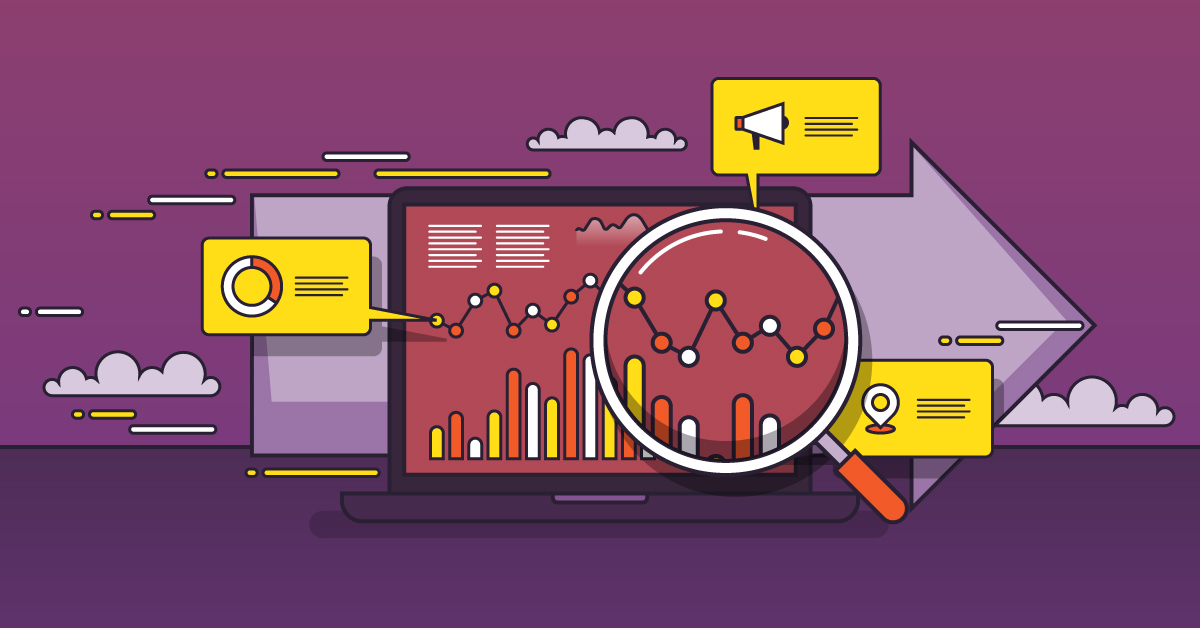
E. Data Visualization: Visualize data using charts, graphs, and dashboards to gain actionable insights at a glance. Data visualization simplifies complex information and facilitates decision-making processes.
III. Strategies for Leveraging Data-Driven Insights in Digital Marketing
A. Customer Persona Development: Use data-driven insights to create detailed customer personas that represent your target audience. Incorporate demographic data, preferences, interests, and pain points into these personas to inform marketing strategies.
B. Personalization and Targeting: Utilize data to personalize marketing messages and target specific customer segments. Tailor content, offers, and recommendations based on customer preferences, past purchases, and browsing behavior.

C. A/B Testing and Optimization: Conduct A/B tests to compare different marketing strategies, messaging, or design elements. Analyze data to identify the most effective variations and optimize marketing efforts accordingly.
D. Predictive Analytics: Leverage predictive analytics to forecast customer behavior, identify trends, and make data-backed predictions. This enables businesses to proactively adapt their marketing strategies and stay ahead of the competition.
E. Marketing Automation: Implement marketing automation tools that leverage data to automate repetitive tasks, personalize communications, and deliver targeted messages based on customer behavior and preferences.
IV. The Future of Data-Driven Marketing
A. Artificial Intelligence and Machine Learning: AI and machine learning algorithms can analyze vast amounts of data in real-time, uncover patterns, and make intelligent marketing recommendations. Businesses should embrace these technologies to gain a competitive edge.
B. Ethical Data Use and Privacy: As data-driven marketing evolves, businesses must prioritize ethical data use and customer privacy. Establish clear data governance policies, comply with regulations, and obtain proper consent for data collection and usage.

In conclusion, harnessing the power of data-driven insights is crucial for improving digital marketing effectiveness. By understanding customer behavior, optimizing campaigns, and enhancing the customer experience, businesses can achieve better results and gain a competitive edge. Key strategies for leveraging data-driven insights are:
- Collecting and analyzing data
- Developing customer personas
- Personalizing marketing efforts
- Conducting A/B testing
- Leveraging predictive analytics.
As the future of marketing unfolds, embracing technologies like AI and ensuring ethical data use will be paramount. Contact our Vietnam team today to discover how we can help you leverage data-driven insights to supercharge your digital marketing efforts.