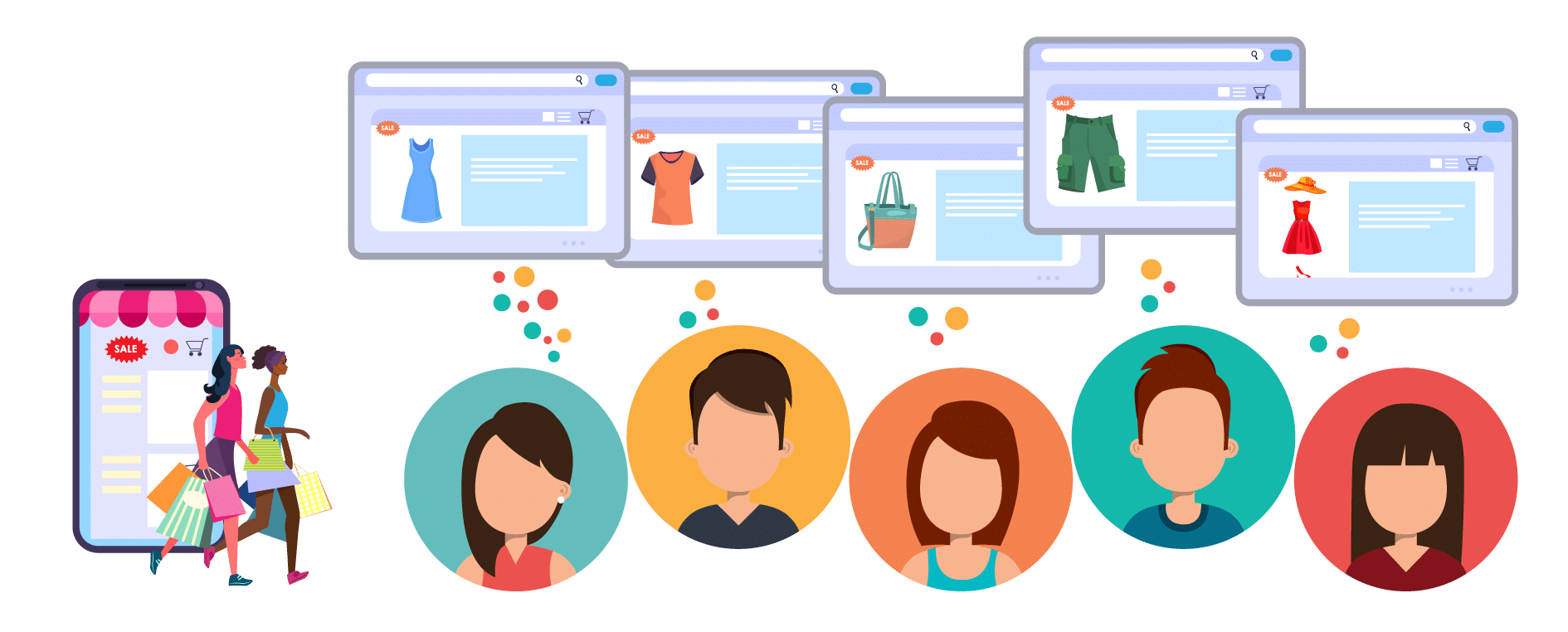
In today’s digital landscape, personalization has become a key driver of marketing success. By tailoring your marketing messages and experiences to the individual needs and preferences of your audience, you can create deeper connections, drive engagement, and ultimately achieve better results. In this article, we will explore the power of personalization in digital marketing and provide insights and strategies to help you implement effective personalization techniques in your campaigns. Whether you’re targeting customers in Vietnam or any other market, understanding the importance of personalization is crucial for staying ahead in the competitive digital landscape.
I. The Importance of Personalization in Digital Marketing
- Meeting Customer Expectations: Consumers now expect personalized experiences across digital channels, and failing to deliver can result in disengagement and lost opportunities.
- Building Stronger Relationships: Personalization allows you to connect with your audience on a deeper level, building trust and fostering long-term relationships.
- Driving Higher Engagement: Personalized marketing messages are more relevant and compelling, leading to increased engagement and higher conversion rates.
- Enhancing Customer Loyalty: When customers feel understood and valued, they are more likely to become loyal advocates for your brand.
II. Collecting and Analyzing Customer Data

- Capturing Relevant Data: Identify the types of data that are most relevant to your personalization efforts, such as demographic information, browsing behavior, purchase history, and preferences.
- Implementing Data Collection Methods: Utilize various methods to collect customer data, including website analytics, surveys, social media monitoring, and CRM systems.
- Data Privacy and Compliance: Ensure that you are following data privacy regulations and obtaining proper consent when collecting and using customer data.
- Analyzing and Segmenting Data: Use data analysis tools and techniques to segment your audience based on common characteristics and behaviors.
III. Personalization Strategies for Different Channels
- Email Personalization: Customize email campaigns by using personalized subject lines, dynamic content, and personalized recommendations based on customer behavior and preferences.
- Website Personalization: Create dynamic website experiences by displaying personalized content, recommendations, and offers based on visitor data.
- Social Media Personalization: Leverage user data and social media algorithms to deliver personalized content, ads, and messaging to your target audience.
- Mobile Personalization: Optimize mobile experiences by leveraging location data, user preferences, and behavioral insights to deliver personalized content and offers.
IV. Implementing Personalization Technologies

- Customer Relationship Management (CRM) Systems: Utilize CRM systems to store and manage customer data, track interactions, and create personalized marketing campaigns.
- Marketing Automation Platforms: Leverage marketing automation tools to automate personalized communication, nurture leads, and deliver tailored content at scale.
- Artificial Intelligence and Machine Learning: Harness the power of AI and machine learning algorithms to analyze data, predict customer behavior, and deliver personalized experiences in real-time.
V. Measuring the Effectiveness of Personalization
- Key Metrics for Personalization: Identify and track key metrics such as engagement rates, conversion rates, click-through rates, and customer lifetime value to measure the impact of personalization.
- A/B Testing: Conduct A/B tests to compare personalized and non-personalized variations of your marketing campaigns and determine which approach is most effective.
- Continuous Optimization: Continuously analyze and optimize your personalization efforts based on data insights and customer feedback.

In conclusion, personalization is a powerful strategy in digital marketing that allows you to connect with your audience on a deeper level, drive engagement, and achieve better results. By collecting and analyzing customer data, implementing personalization strategies across various channels, leveraging personalization technologies, and measuring effectiveness, you can create more meaningful and impactful marketing experiences.
Key Takeaway Points:
- Personalization is essential for meeting customer expectations, building relationships, driving engagement, and enhancing customer loyalty.
- Collect and analyze relevant customer data to inform your personalization efforts.
- Implement personalization strategies across email, website, social media, and mobile channels.
- Leverage personalization technologies such as CRM systems, marketing automation platforms, and AI.
- Measure the effectiveness of personalization through key metrics and continuous optimization.
To learn how our Vietnam team can help you implement effective personalization strategies for your digital marketing campaigns, contact us today!