Pay-Per-Click (PPC) advertising is a highly effective and measurable strategy for digital marketing. By leveraging PPC, businesses can drive targeted traffic to their websites, generate leads, and increase conversions. In this article, we will explore the key steps and best practices to successfully use PPC advertising as part of your digital marketing strategy. From setting up your campaigns to optimizing your ads, we will provide valuable insights to help you achieve your marketing goals using PPC.
I. Define Your Goals
Before diving into PPC advertising, it’s essential to define your marketing goals. Are you looking to increase brand visibility, drive website traffic, generate leads, or boost sales? Clearly identifying your objectives will help shape your PPC strategy and ensure alignment with your overall digital marketing goals.
II. Conduct Keyword Research
Keyword research is the foundation of effective PPC campaigns. Identify relevant keywords that your target audience is likely to use when searching for products or services similar to yours. Use keyword research tools to uncover high-volume, low-competition keywords that align with your goals and audience.

III. Choose the Right PPC Platform
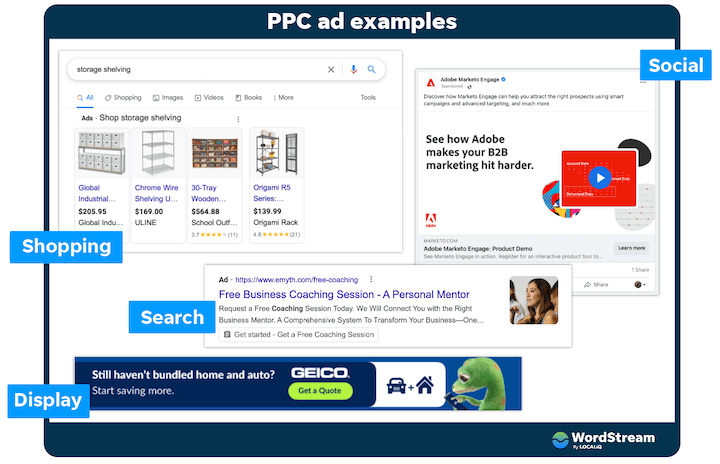
There are several PPC platforms available, such as Google Ads, Bing Ads, and social media advertising platforms like Facebook Ads and LinkedIn Ads. Assess the platforms that best align with your target audience and advertising goals. Consider factors such as reach, targeting options, and budget requirements when selecting the right platform for your PPC campaigns.
IV. Create Compelling Ad Copy
Crafting compelling ad copy is crucial for driving clicks and conversions. Write concise and compelling headlines that grab attention, highlight unique selling points, and include a clear call-to-action (CTA). Tailor your ad copy to match the keywords you are targeting and address the needs and pain points of your audience.
V. Optimize Landing Pages
Your landing pages play a vital role in converting PPC traffic into leads or customers. Ensure your landing pages are relevant, user-friendly, and aligned with the messaging in your ads. Optimize landing page elements, such as headlines, visuals, and CTAs, to create a seamless user experience and drive conversions.
VI. Implement Conversion Tracking
Conversion tracking allows you to measure the success of your PPC campaigns and optimize your strategy. Set up conversion tracking to track actions such as form submissions, purchases, or newsletter sign-ups. This data will help you identify the most effective keywords, ads, and landing pages, enabling you to allocate your budget more efficiently.

VII. Monitor and Optimize
Regularly monitor the performance of your PPC campaigns to identify areas for improvement. Analyze key metrics such as click-through rates (CTR), conversion rates, and cost per conversion. Make data-driven optimizations by adjusting bids, refining ad copy, and testing different variations to maximize your campaign’s effectiveness.
VIII. Utilize Remarketing Campaigns
Remarketing allows you to target users who have previously visited your website but did not convert. Implement remarketing campaigns to re-engage these users and increase the chances of conversion. Tailor your ad copy and offers to entice them to return and complete the desired action.
IX. Analyze and Refine
Continuously analyze the performance of your PPC campaigns and refine your strategy. Look for trends, patterns, and insights in the data to identify areas of improvement. Adjust your bidding strategy, ad targeting, and messaging based on performance data to optimize your PPC campaigns over time.
In conclusion, PPC advertising is a valuable tool for digital marketing, offering businesses the opportunity to reach their target audience, drive website traffic, and increase conversions. By defining your goals, conducting keyword research, choosing the right platform, creating compelling ad copy, optimizing landing pages, implementing conversion tracking, monitoring performance, utilizing remarketing, and analyzing and refining your campaigns, you can leverage the power of PPC to achieve your marketing objectives.
Key Points:
- Define your goals and objectives for your PPC campaigns.
- Conduct keyword research to identify relevant and high-performing keywords.
- Choose the right PPC platform based on your target audience and goals.
- Craft compelling ad copy with attention-grabbing headlines and clear CTAs.
- Optimize your landing pages to create a seamless user experience.
- Implement conversion tracking to measure and optimize campaign performance.
- Monitor key metrics and make data-driven optimizations to improve campaign effectiveness.
- Utilize remarketing campaigns to re-engage previous website visitors.
- Continuously analyze and refine your PPC strategy based on performance data.
Contact our Vietnam team today for expert support and guidance in using PPC advertising for your digital marketing success.