
A/B testing is a powerful technique used by marketers to optimize their campaigns and improve performance. By comparing two variations of a marketing element, such as an ad, landing page, or email, marketers can determine which version performs better and make data-driven decisions. While A/B testing is commonly used within a single channel, it becomes more complex when applied across multiple channels. In this article, we will explore the benefits and challenges of conducting A/B testing across multiple channels. We will discuss how it can lead to more effective marketing strategies and provide insights into overcoming the unique challenges that arise in multi-channel A/B testing scenarios.
I. The Benefits of A/B Testing Across Multiple Channels: Maximizing Campaign Effectiveness and User Engagement
A. Enhanced Consistency: Conducting A/B testing across multiple channels brings the advantage of maintaining a consistent user experience and messaging across different touchpoints. This cohesive approach reinforces brand identity, fosters trust, and increases brand recognition among the audience, leading to a stronger overall impact.
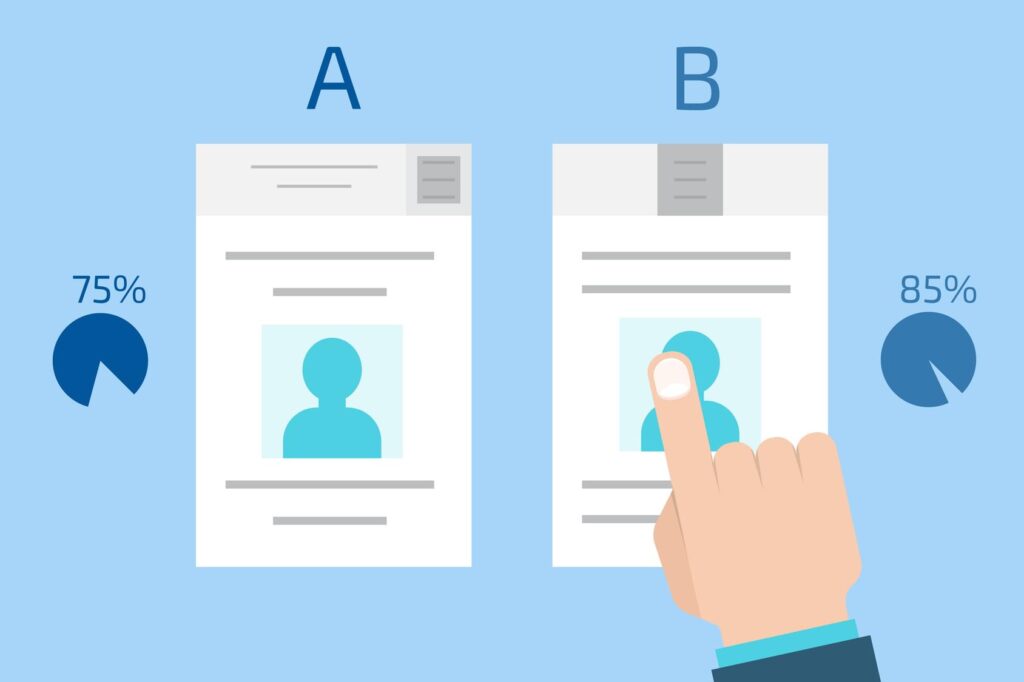
B. Data Synergy: A/B testing across multiple channels presents a unique opportunity to leverage the collective data from various sources. By analyzing data from multiple channels, marketers gain deeper insights into user behavior, preferences, and responses to different variations. This comprehensive understanding enables data-driven decision-making, resulting in more effective and tailored campaigns.
C. Holistic Optimization: Multi-channel A/B testing allows marketers to optimize their campaigns holistically by considering the entire customer journey across various channels. By examining the performance and impact of different variations at different touchpoints, marketers can identify pain points, refine messaging, and enhance conversion rates throughout the customer journey, resulting in a seamless and engaging user experience.
II. Challenges in Multi-Channel A/B Testing: Navigating Complexity for Effective Results
A. Variations in Audience: Each channel may attract a different audience with unique preferences, behaviors, and demographics. This diversity poses a challenge in designing A/B tests that cater to the specific characteristics and expectations of each channel’s audience. Marketers must carefully segment and understand their audience to create relevant and effective variations for each channel.

B. Channel-Specific Limitations: Different channels may have limitations in terms of design flexibility, ad formats, or testing capabilities. Marketers need to adapt their A/B testing strategies to work within these limitations while still maintaining the integrity of the tests. Creative solutions and adjustments may be required to achieve accurate and meaningful results across channels.
C. Attribution Complexity: Multi-channel A/B testing introduces complexity in attributing the impact of variations across different channels. Marketers must establish clear attribution models to accurately measure the effectiveness of different variations and their contribution to overall performance. This involves selecting appropriate tracking tools, implementing UTM parameters, and developing robust attribution models to capture and analyze data accurately.
III. Best Practices for Multi-Channel A/B Testing: Optimizing Testing Strategies for Success
A. Audience Segmentation: Segmenting the audience based on relevant criteria, such as demographics, interests, or behaviors, helps create targeted variations that resonate with specific audience segments across different channels. This segmentation enables personalized and tailored testing, increasing the effectiveness of A/B tests and the subsequent campaign optimization.
B. Channel-Specific Adaptations: To ensure consistency while accounting for channel-specific nuances, marketers should adapt A/B test variations to suit the characteristics and requirements of each channel. This may involve adjusting ad formats, messaging styles, or creative elements to align with the user expectations and engagement patterns of each channel.

C. Consistent Measurement Framework: Establishing a consistent measurement framework is vital for accurate attribution and performance analysis across multiple channels. By utilizing tracking tools, implementing UTM parameters, and defining appropriate attribution models, marketers can capture and analyze data consistently, enabling accurate assessment of variations’ impact and campaign effectiveness.
D. Continuous Iteration: A/B testing is an iterative process that requires ongoing monitoring and analysis. Marketers should continuously evaluate the results of A/B tests, identify winning variations, and iterate on underperforming elements. This iterative approach enables continuous improvement and optimization of multi-channel campaigns over time, driving better results and maximizing the impact of A/B testing efforts.
In conclusion, A/B testing across multiple channels offers significant benefits for marketers, including enhanced consistency, data synergy, and holistic optimization. However, it also comes with unique challenges, such as audience variations, channel-specific limitations, and attribution complexity. By following best practices, including audience segmentation, channel-specific adaptations, consistent measurement frameworks, and continuous iteration, marketers can overcome these challenges and leverage the power of multi-channel A/B testing to drive better results.
Key Points:
- A/B testing across multiple channels enhances consistency and provides data synergy.
- Challenges in multi-channel A/B testing include audience variations, channel-specific limitations, and attribution complexity.
- Best practices for multi-channel A/B testing include audience segmentation, channel-specific adaptations, consistent measurement frameworks, and continuous iteration.
By following these best practices, marketers can optimize their multi-channel campaigns and achieve better results. Contact our Vietnam team today to receive expert guidance and support in conducting effective A/B testing across your marketing channels.