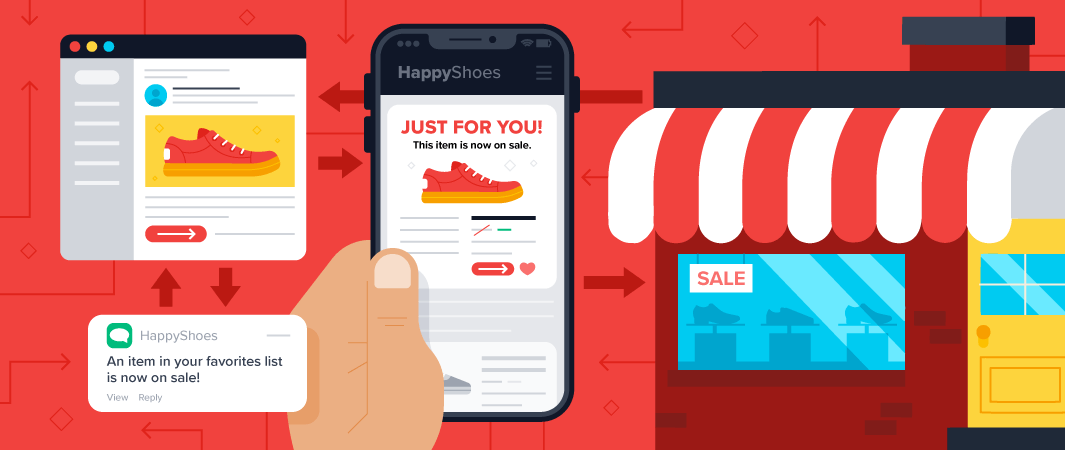
In today’s fast-paced digital marketing landscape, businesses are often running multiple ad campaigns across various channels to reach their target audience and achieve their marketing goals. However, managing and prioritizing these campaigns can be a daunting task without a strategic approach. In this article, we will explore effective strategies for managing and prioritizing multiple ad campaigns across channels. From setting clear objectives to leveraging automation tools, we will provide valuable insights to help you streamline your campaign management process and maximize your marketing success.
I. Defining Campaign Objectives
When managing multiple ad campaigns across channels, it’s crucial to define clear objectives for each campaign. Start by understanding your overall marketing goals and how each campaign contributes to those goals. For example, if your goal is to increase brand awareness, you may have campaigns focused on reaching a wider audience or generating social media engagement. Defining clear objectives from the outset will provide direction and allow you to track the success of your campaigns effectively.
II. Segmenting and Prioritizing Target Audiences
To maximize the effectiveness of your ad campaigns, it’s essential to segment your target audience and tailor your messaging accordingly. Analyze your target audience and identify key segments based on demographics, behaviors, interests, or purchasing patterns. This segmentation helps you understand the unique needs and preferences of different groups within your audience.

Create buyer personas to gain a deeper understanding of your audience segments. This information will guide you in crafting personalized and targeted ad campaigns that resonate with each segment. By delivering relevant messages to specific audience groups, you can increase the chances of capturing their attention and driving desired actions. Prioritize your segments based on factors such as alignment with your business objectives, size, profitability, or growth potential.
III. Managing Campaign Timing and Scheduling
The timing of your ad campaigns plays a significant role in their success. Understand the customer journey and identify the best moments to engage with your target audience. Consider the different stages of the customer journey, from awareness to consideration and conversion.
Be mindful of specific times and seasons relevant to your audience or industry. Align your campaigns with key events or trends to leverage heightened interest and maximize the impact of your marketing efforts. Establish a well-planned timeline with clear start and end dates for each campaign. This creates a sense of urgency and avoids ad fatigue. Space out your campaigns strategically to prevent overwhelming your audience with excessive messaging.
IV. Leveraging Automation Tools and Platforms
Automation tools and platforms streamline the campaign management process, saving you time and effort while optimizing performance. Explore ad management platforms that allow you to manage campaigns across different channels from a single interface. This centralized approach simplifies campaign tracking, optimization, and reporting.
Utilize ad scheduling tools to automate the activation and deactivation of campaigns based on predefined schedules. This ensures that your ads are running at the right times without manual intervention. Take advantage of automated budgeting features to manage your ad spend effectively. Set budgets and let the system allocate your budget dynamically based on campaign performance and predefined rules.
V. Monitoring and Optimization
To ensure the success of your ad campaigns, continuous monitoring and optimization are essential. Regularly review campaign performance metrics such as click-through rates, conversion rates, and return on ad spend. Identify underperforming campaigns or channels and make data-driven decisions to optimize them.
A/B testing can be a powerful tool in optimizing your campaigns. Test different elements such as ad copy, visuals, targeting parameters, or landing page designs to identify what resonates best with your audience. Use the insights gained from these tests to refine your campaigns and improve their effectiveness.
VI. Cross-Channel Coordination and Consistency
When managing multiple ad campaigns across channels, it’s important to maintain consistency in your messaging and branding. Ensure that your campaigns across different channels align with your overall brand identity and communicate a cohesive message.

Coordinate your campaigns across channels to create a seamless user experience. For example, if you’re running a social media campaign, consider how it can complement your email marketing efforts or website content. By integrating your campaigns, you can reinforce your message and increase the likelihood of conversions.
In conclusion, the key takeaways for this article are:
- Clearly define objectives for each campaign to stay focused on what you want to achieve.
- Segment your target audience and tailor your messaging accordingly for better engagement.
- Strategically plan campaign timing to align with the customer journey and industry events.
- Leverage automation tools and platforms to streamline campaign management and optimize performance.
- Continuously monitor and optimize campaign performance using data-driven insights.
- Coordinate campaigns across channels and maintain consistency in messaging and branding.
Contact our Vietnam team for expert support in managing and prioritizing your ad campaigns across channels. We have the expertise and experience to help you achieve maximum results and drive the success of your digital marketing efforts.