In today’s digital age, consumers expect personalized experiences across all channels, including advertisements. Developing a personalized ad experience is crucial for businesses looking to connect with their target audience and drive better results. In this article, we will explore the importance of personalization in advertising and discuss strategies for developing a personalized ad experience across channels. Whether you’re targeting customers in Vietnam or any other market, these strategies will help you create meaningful connections and maximize the impact of your ad campaigns.
I. The Importance of Personalization in Advertising
- Meeting Customer Expectations: In today’s crowded digital landscape, consumers are constantly bombarded with advertisements. Personalization plays a crucial role in cutting through the noise and delivering relevant messages that resonate with the target audience, meeting their expectations and capturing their attention.
- Enhancing User Experience: Personalized ads provide a tailored experience that aligns with customer preferences and needs. By delivering relevant and meaningful content to individual users, businesses can significantly enhance user experience, leading to higher engagement, improved customer satisfaction, and ultimately, increased conversion rates.
- Building Brand Trust and Loyalty: Personalization demonstrates that businesses understand their customers and value their unique preferences. When customers feel understood and valued through personalized ads, it fosters trust and loyalty. This, in turn, leads to long-term relationships and repeat business, as customers are more likely to choose a brand that consistently caters to their individual needs.
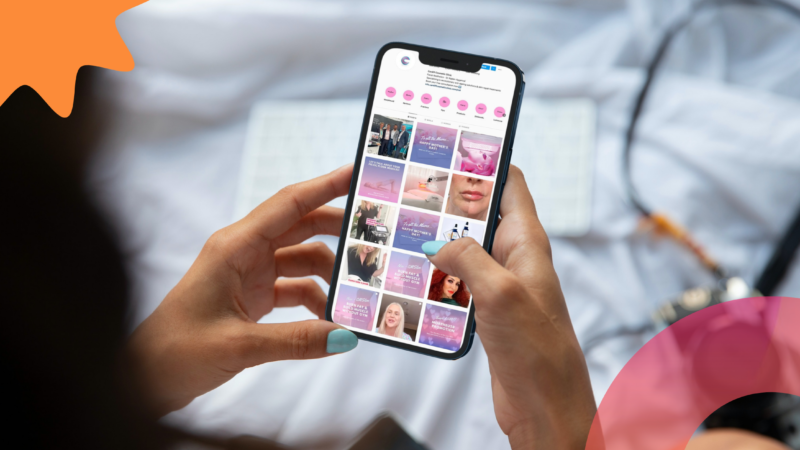
II. Strategies for Developing a Personalized Ad Experience
Data Collection and Segmentation:
- Collect and analyze comprehensive customer data to gain deep insights into their preferences, behaviors, and demographics. This data serves as the foundation for creating personalized ad experiences.
- Segment your audience based on relevant criteria such as demographics, purchase history, browsing behavior, and psychographics. This allows you to target specific customer segments with tailored messages and offers.
- Utilize robust data management platforms and customer relationship management systems to organize and utilize customer data effectively, ensuring its accuracy, security, and accessibility.
Personalized Ad Content:
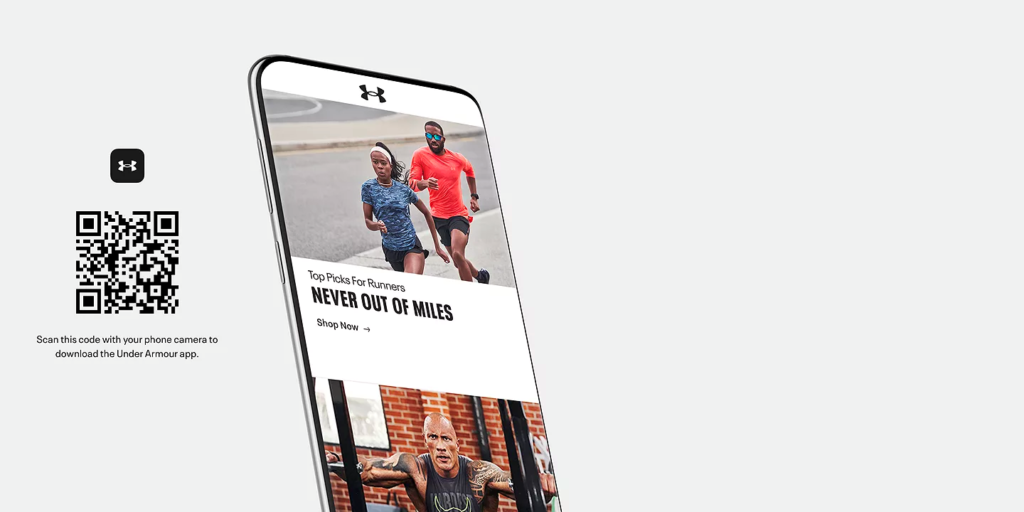
- Tailor ad content based on customer segments to ensure relevance and resonate with their specific interests and preferences. Customizing the message to address individual pain points or aspirations significantly increases the chances of engagement and conversion.
- Utilize dynamic content and creative optimization techniques to deliver customized messages that adapt to individual user characteristics and context. This could include dynamically updating product recommendations or displaying location-specific offers to enhance personalization.
- Incorporate personalization elements such as personalized recommendations, product suggestions, and location-specific offers to create a more personalized ad experience that speaks directly to the user’s needs and desires.
Cross-Channel Integration:
- Create a seamless and consistent brand experience across different channels by aligning messaging, design, and tone of voice. This ensures that the personalized experience is maintained throughout the user’s journey, regardless of the channel they interact with.
- Implement cross-channel tracking and attribution models to understand how customers interact with your brand across multiple touchpoints. This allows for a holistic view of the customer’s journey and enables more effective personalization at each stage.
- Use remarketing and sequential messaging to deliver personalized ads based on users’ previous interactions with your brand. This reinforces the personalized experience, reminding users of their interests and increasing the likelihood of conversion.
Automation and Machine Learning:
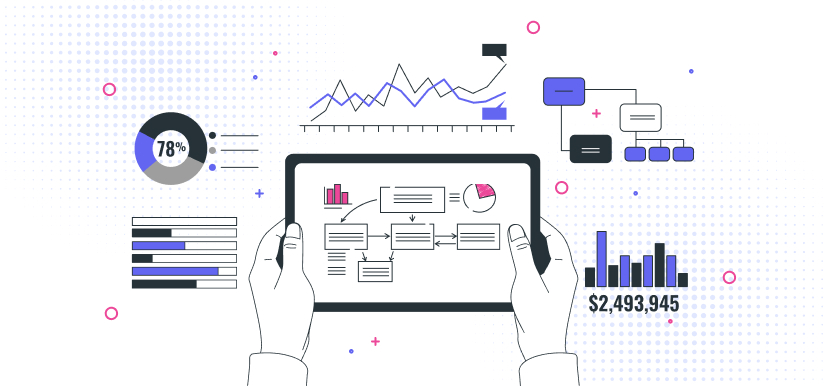
- Leverage automation tools and machine learning algorithms to analyze vast amounts of data and make real-time decisions for ad personalization. Machine learning can identify patterns, preferences, and behaviors that may not be immediately apparent to humans, enabling more accurate personalization.
- Implement predictive modeling to anticipate customer behavior and optimize ad targeting and delivery. By leveraging historical data and machine learning algorithms, businesses can predict user actions and adjust their personalized ad strategies accordingly.
- Utilize AI-powered chatbots and virtual assistants to deliver personalized interactions and gather valuable insights about customer preferences, pain points, and purchasing behavior. These AI-driven interactions help businesses refine their personalization strategies and enhance the overall customer experience.
In conclusion, developing a personalized ad experience across channels is essential for businesses in Vietnam and beyond. By leveraging data, segmenting audiences, delivering tailored content, integrating across channels, and utilizing automation and machine learning, businesses can create meaningful connections with their target audience and drive better results. Key Points:
- Personalization in advertising meets customer expectations, enhances user experience, and builds trust and loyalty.
- Strategies include data collection and segmentation, personalized ad content, cross-channel integration, and automation and machine learning.
- Benefits include higher engagement and conversion rates, improved customer satisfaction and loyalty, enhanced ROI and cost-efficiency, and a competitive advantage.
Contact our Vietnam team today to discover how we can help you develop a personalized ad experience that drives results for your business.